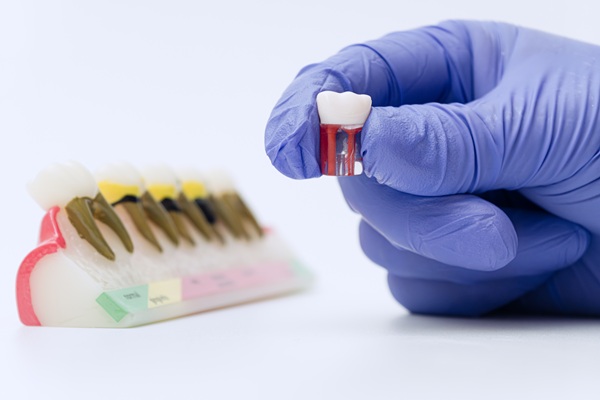
When a patient has a tooth that is giving them problems, general dentistry may recommend a dental crown as a potential solution. While crowns can have a reputation for being highly noticeable in the mouth, modern crowns are made from many different materials that allow them to blend in. Here is how crowns can be important for safeguarding teeth in a wide variety of situations.
When are dental crowns needed?
Dental crowns are used to support and restore teeth for a wide variety of reasons. A few of the instances when a crown can be helpful include:
- When teeth have extensive decay
- When teeth are especially worn down
- When a patient wants cosmetic changes to the teeth
- To support or cover bridges and similar items
Essentially, dental crowns safeguard weaker teeth against further damage by providing support and protection. A patient will need to schedule a general dentistry appointment to know for sure whether crowns are the right solution for him or her. If a dentist does suggest getting crowns, it will likely take two appointments. The first appointment will be to take measurements and decide on the details of the crown. The second will be to get the new crown put on the tooth.
Types of crowns
Modern crowns can be made from porcelain, metal, resin, or ceramic materials. Different types of crowns have different advantages. Metal options can be more durable than other options, but they do not look very natural in the mouth. They can be great for back teeth located in areas that are not very visible. Porcelain is an alternative that looks very natural. There are also many options in between including porcelain fused to metal and ceramic, which can also look fairly natural. General dentistry professionals can help walk an individual through the options and decide what will work well for them.
Caring for crowns
Once a dental crown has been placed, the patient needs to keep up with good home care. While they do strengthen teeth against damage, crowns are no substitute for regular flossing and brushing. It is a good idea to keep up good habits, especially if the reason crowns were needed is because of cavities or similar problems.
Sometimes a dentist may give the patient a temporary crown to last until a new appointment can be made to get the permanent one put on. In these cases, the patient needs to be gentle with the crown and avoid eating foods that could get stuck and pull it off. Permanent crowns should be much sturdier than temporary ones, but it may still be a good idea to avoid overly-sticky candies and similar foods that may have the potential to cause damage.
Frequently asked questions about dental crowns
As with any dental procedure, it is important to understand as much as you can about crowns before you go through the process. The following are some commonly asked questions from dentistry patients.
1. How long do crowns last?
The life of a crown depends on various factors, including the type of material used and how it is cleaned and cared for. A metal crown tends to have the longest lifespan and can last 20 or more years if cared for properly. A porcelain crown lasts at least 15 years, while one made out of resin material typically lasts up to seven or eight years.
No matter what type of material your crown is made out of, if you frequently bite down on hard items, this will usually shorten its life, as it weakens the crown or breaks it right away.
2. Does it hurt to get a dental crown?
Getting a dental crown placed should not be a painful process. When a permanent crown replaces a temporary one, there may be a little discomfort while the nerves are exposed, but this is only for a very short period of time. The dentist will make sure the process is as comfortable for you as possible.
3. Is there any downtime after getting a crown?
Getting a crown put on does not require surgery or other invasive procedure. As a result, you can return to your regular routine as soon as you leave the dentist's office with your new crown.
Conclusion
Dental crowns are a great option for safeguarding fragile or at-risk teeth and preventing further damage. There are many reasons a dentist may suggest getting a dental crown to a patient. The different materials available for crowns mean that there should be an option that works well for most people.
Request an appointment here: https://fortleefamilydental.com or call Fort Lee Family Dental at (201) 620-9772 for an appointment in our Fort Lee office.
Check out what others are saying about our services on Yelp: Dental Crown in Fort Lee, NJ.
Recent Posts
A dental crown restores the strength, shape, and comfort of a tooth that is cracked, worn, or heavily filled. This custom cap covers the entire visible surface to protect what remains. With modern materials and careful planning, a crown blends with nearby teeth and supports confident chewing. Understanding options and steps makes the decision clearer…
Dental crowns are often costly and require that a dentist remove a significant amount of the tooth's structure to place them. Read on to learn about dental crown alternatives. Other treatment alternatives are sometimes available that are either less expensive or significantly less invasive. Dental crowns are frequently used to restore severely damaged teeth.The following…
Dental crowns are a great way to restore the health and appearance of your smile after oral health issues develop. Dental crowns work by surrounding a vulnerable or damaged tooth and offering protection from further damage. Crowns may also be used for teeth replacement purposes as well.Several of the more common oral health issues that…
In most cases, the process of fitting dental crowns takes multiple sessions in the dentist’s chair. This implies an investment of time, effort, and money on your part. It then follows that you want the best out of your investment. So how do you keep the dental crowns in your mouth in excellent condition for…