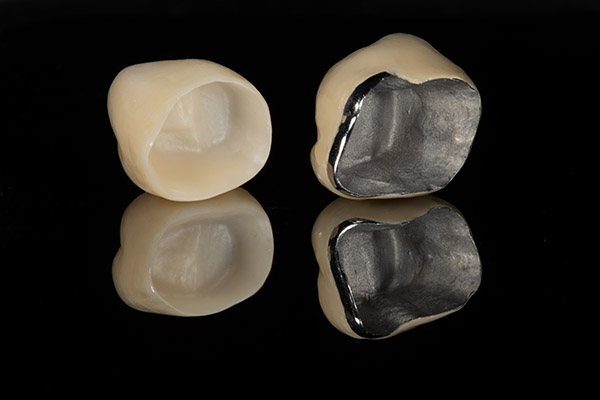
You may need a dental crown, but it all depends on your root canal treatment. Your dentist will be able to tell you if you need dental work beyond the treatment. Needing a crown is determined by the location and severity of the root canal. Crowns can be recommended because they protect your existing teeth and gums in addition to providing stability.
How a root canal treatment works
The inside of a tooth can become infected and eventually die. The dentist removes the pulp and cleans out the inside by drilling through the tooth when that happens. The tooth’s interior is then filled with a stabilizing material to improve the structure of the tooth. Thinking about how a root canal works, it may seem like a crown would not be needed. The dentist reinforces the tooth with a porcelain or dental composite, so it should be stronger. Unfortunately, that is not always the case, and sometimes, a crown becomes necessary.
Why a dental crown might be necessary
Crowns become a necessity when the root and pulp are removed because it means the tooth is no longer a living part. The result is a weakening shell. A crown is recommended to improve the stability a tooth would typically provide. It covers the tooth to keep it from cracking or breaking. If that were to happen, it would need to be pulled.
Another circumstance that might mean a patient needs a crown is the location of the tooth needing the root canal. If it is a molar, it needs the extra strength and stability to chew without breaking the tooth. In that instance, the dentist will recommend a crown after a root canal. If there is a history of grinding teeth, a crown will also be necessary. Without putting a crown in, patients will face a cracked or broken tooth eventually when that tooth is in a place that receives regular amounts of stress.
When to get a crown
If the dentist decides that a crown is necessary, it will get it put in after the initial discomfort goes away after the root canal treatment. Patients should not wait too long because of the risk of breaking the tooth the longer it goes without a dental crown. While waiting to get the crown in, patients should treat the tooth delicately. It is a good idea to avoid eating anything hard that could crack it and to keep up with flossing and brushing. Once the dentist informs a patient that it is time to go in and have the crown placed, the patient should make an appointment to get it done as soon as possible. Aftercare includes getting the crown checked regularly to ensure it fits properly to avoid any additional issues after placement.
You might need a dental crown
Prepare yourself for the possibility of needing a crown after a root canal treatment. It does not take much time, and it is not difficult to cope with after the fact. A crown will give you much-needed stability. If you have any questions about the recommended dental procedures for your teeth, always ask your dentist.
Request an appointment or call Fort Lee Family Dental at 201-620-9772 for an appointment in our Fort Lee office.
Recent Posts
Root canal treatment is often the best (or only) way to deal with an abscessed tooth that results from a tooth infection. This review discusses the role root canal treatment plays in treating an abscessed tooth and what you can expect throughout the diagnostic and treatment processes.An abscessed tooth can affect one’s ability to function…
Root canal treatment has a bad reputation, one that can be traced back to a single erroneous research report from the 1920s. At the time, a major dental publication released a report claiming that root canal operations cause disease, arthritis, and other problems. The dentist advised that teeth should be extracted and that root canals…
Finding out that you need a root canal can be terrifying. This procedure has always been seen in a negative way. In truth, this treatment can restore your dental health. Here are the details on how a root canal can prevent tooth loss.The dentist will remove the inflamed or infected pulp material from its chamber.…