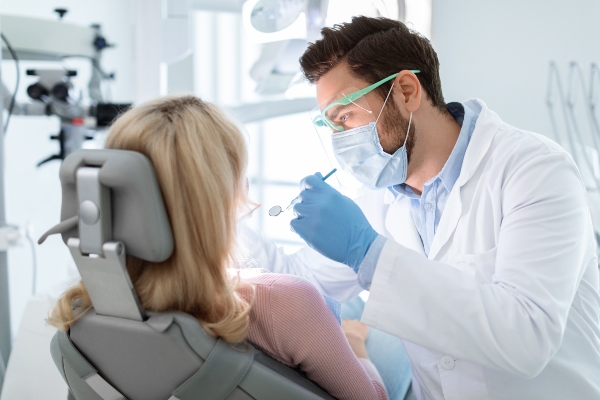
Most healthy dental patients are recommended to visit the dentist for routine dental care, which can include undergoing a cleaning twice a year and obtaining periodic X-rays to ensure the absence of cavities, gum disease, and other common dental abnormalities. Speaking with a dentist and keeping track of hygiene routines at home are great ways to ensure a lifetime of good oral health.
Why should patients ask questions at each dental visit?
Though a patient may assume the dentist will discuss whatever the patient needs to know at a routine dental care visit, it is always a good idea to inquire about oral health to stay actively involved in the maintenance of oral hygiene. Asking questions is even more important for patients who have preexisting medical conditions that affect dental health or those who have a history of dental issues, such as frequent cavities.
What questions can patients ask to ensure great dental care?
A dentist is able to advise a patient on several matters pertaining to oral health — not just brushing and flossing. Ask a dentist at the next appointment how to better maintain good health between visits.
1. How can I improve my oral health?
If the dentist notices that the patient’s oral health has declined, this may be an opportunity to inquire about their diet, oral hygiene routines, and any medical conditions that the patient has. Diabetes, in particular, can wreak havoc on the mouth due to constant high blood sugar levels, and the dentist can explain any dietary changes to consider so the patient may regain oral health.
2. Am I using the right kind of toothbrush?
A healthy patient may assume that there are no dental concerns to be discussed, but even people who have never had a cavity may have a significant buildup of plaque. Patients who have trouble brushing the molars in the very back of the mouth, for example, may need to consider using a different kind of toothbrush. A dentist can make a recommendation for a different type of toothbrush with a smaller or more flexible head.
If the patient finds flossing to be cumbersome, the dentist can have a conversation about how to make this activity easier. For example, if the patient has trouble remembering to incorporate flossing into the dental routine, simply posting a note in the bathroom may help.
3. How often should I visit the dentist?
Most dental patients can keep teeth and gums healthy by sticking to twice-yearly routine dental care. However, patients with medical conditions that can affect oral hygiene, such as diabetes or Sjorgen’s syndrome, may want to consider scheduling an extra checkup during the year to assess the state of oral health. This can also make sure that medical treatment for the condition is alleviating any dental discomfort.
Conclusion
Maintaining a great oral hygiene routine can keep teeth and gums healthy for a patient’s lifetime. Remember to ask a dentist if you have any questions regarding oral hygiene, visit frequency, or other conditions that may be affecting oral health.
Request an appointment or call Fort Lee Family Dental at 201-620-9772 for an appointment in our Fort Lee office.
Recent Posts
Good self-care habits ought to include time for routine dental care. From spending a few minutes each day on oral hygiene to visiting a general dentist throughout the year, taking care of the teeth and gums is an important part of personal health. Rather than leaving oral health to chance, implementing preventative dental care practices…
Daily oral hygiene habits should not be considered a substitute for the routine dental care that occurs during a dental checkup and cleaning. There are oral health concerns that a dentist will be able to proactively address during an office visit, but the equipment and tools used to care for both teeth and gums are…
Seeing a dentist twice a year is a component of routine dental care. A dentist is able to evaluate oral health and determine any potential concerns with tooth decay or gum disease. Though daily oral hygiene practices contribute to strong teeth and gums, it is important to seek professional care and input for optimal health.It…