Life After Braces: What You Should Know About Retainers Wear and Care
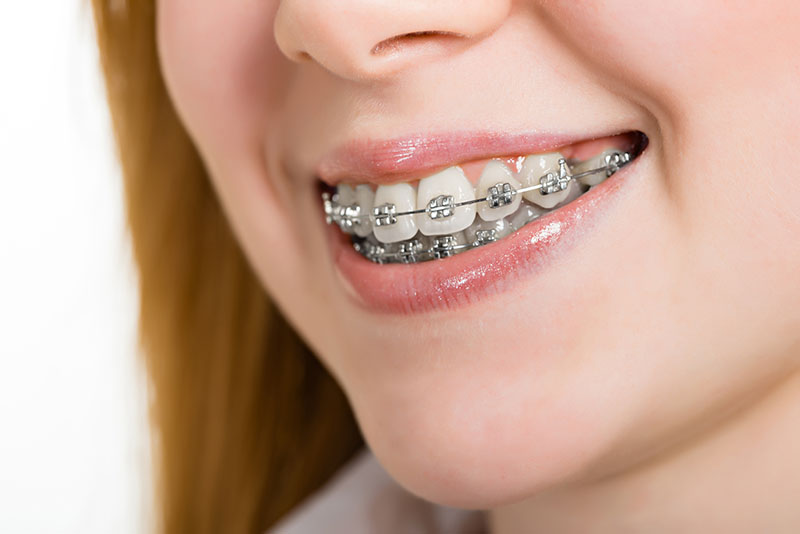
After you have straightened your teeth using braces, you are going to need to wear a retainer. Retention is a critical part of any orthodontics treatment because this is the tool we use to hold your teeth in place. Consider how far your teeth have come from the position they started at, to where they are after wearing braces. Naturally, some teeth will try to revert back to their original position, and this is where a retainer comes in. Wearing one, it will hold your teeth in their final position even after we remove the braces.
It is common for our patients to ask questions about their retainer and how to care for it.
Here are a few of the most common ones we hear on a regular basis:
How long will I need to wear my retainer?
The amount of time you will need to wear a retainer depends on your teeth. We typically recommend wearing a retainer 24/7 and taking it out only to eat and brush teeth for the first several months to a year. We will give you specific instructions when taking your braces off since this is different for everyone. Afterward, you will need to wear your retainer at night only for at least the next year. Again, we will provide you with specific instructions based on your teeth.
How can I keep my retainer clean?
If you are wearing your retainer every night, you also need to rinse or brush it every morning. Saliva from your mouth will build up on your retainer, and this can lead to smells and stains. Using your normal toothbrush and toothpaste should suffice. However, if it begins to appear stained or you really want to get a good clean, you can buy ultrasonic cleaners and immersion tubs. These are frequently used by people who wear dentures or retainers to achieve a greater level of clean than what you would experience by brushing alone.
Should I get a permanent retainer?
After wearing braces, many people are used to the idea of having something bonded in place. Permanent retainers are secured to the back of the teeth using a wire and dental cement. While they are convenient, they also pose a certain health risk. It is incredibly difficult to clean the area around a permanent retainer and in order to floss, you have to use a special dental tool. Anyone that does not keep up with this extra step may experience gum disease later on. For this reason, you should carefully discuss this solution before deciding that you want to try it.
My teeth hurt when I do not wear my retainer. Why?
Your teeth could be moving out of their position naturally or because of a tongue thrust. When you go to put your retainer back in, it may no longer fit appropriately, causing you pain and discomfort. While this can be natural, it could also be a sign of a problem. We recommend that you visit our Fort Lee office so we can examine you and determine if any adjustments need to be made to your retainer.
Patients who receive fillings for dental decay may be interested to know that there are cosmetic benefits of composite fillings as well as dental advantages. Most people want teeth that look natural and do not relish the idea of receiving outdated-looking metal spots in their mouths. Read through the information below to learn more about…
Many people resort to using dentures instead of dental implants in managing tooth loss. Dentures may restore the look of the lost tooth or teeth, but they do not compare to implants. Many dentists may recommend shifting to implants. The goals are to increase comfort and improve function. If you want to know how to…
Composite fillings, especially newer ones, are reasonably strong and durable, but they can wear out over time. Excess pressure, such as may occur when you grind your teeth, can cause them to wear out more quickly. Poor dental hygiene may contribute to decay that can compromise fillings. A filling that is loose is not a…
If you need one or more teeth filled, composite fillings are a popular alternative to amalgam fillings. Before you make your decision, you may want to talk to your dentist about any questions you have.These are some of the more frequently asked questions about composite fillings.Composite fillings are made from a tooth-colored resin consisting of…
Patients who receive fillings for dental decay may be interested to know that there are cosmetic benefits of composite fillings as well as dental advantages. Most people want teeth that look natural and do not relish the idea of receiving outdated-looking metal spots in their mouths. Read through the information below to learn more about…
Many people resort to using dentures instead of dental implants in managing tooth loss. Dentures may restore the look of the lost tooth or teeth, but they do not compare to implants. Many dentists may recommend shifting to implants. The goals are to increase comfort and improve function. If you want to know how to…
 After you have straightened your teeth using